
SALT Effect · Case Study 03
From 120 Litres to 2 KL of Premium Petrol
The opportunity was not simply to sell a different fuel. It was to equip the team to explain value, protect existing business and make every customer conversation more useful.
16.7×
premium petrol volume
120 L baseline → 2,000 L festive-period sales
2.5×
MS volume
2,000 L baseline → 5,000 L festive-period sales
Both
fuel segments grew
No cannibalisation of regular fuel reported
01 · The challenge
Better service without waiting for better infrastructure
An Oil Marketing Company wanted its outlets to emulate the service standards and retail practices of leading fuel retailers. Many outlets, however, lacked the infrastructure to replicate that experience. SALT was engaged to show how operational improvements and customer engagement could help bridge the gap.
At the assigned Kerala outlet, earlier daily sales were approximately 2,000 litres of Motor Spirit (MS) and 120 litres of premium petrol. The team saw potential, but feared that promoting premium fuel would disrupt established buying patterns and undermine the regular sales they had worked hard to build.
02 · The turning point
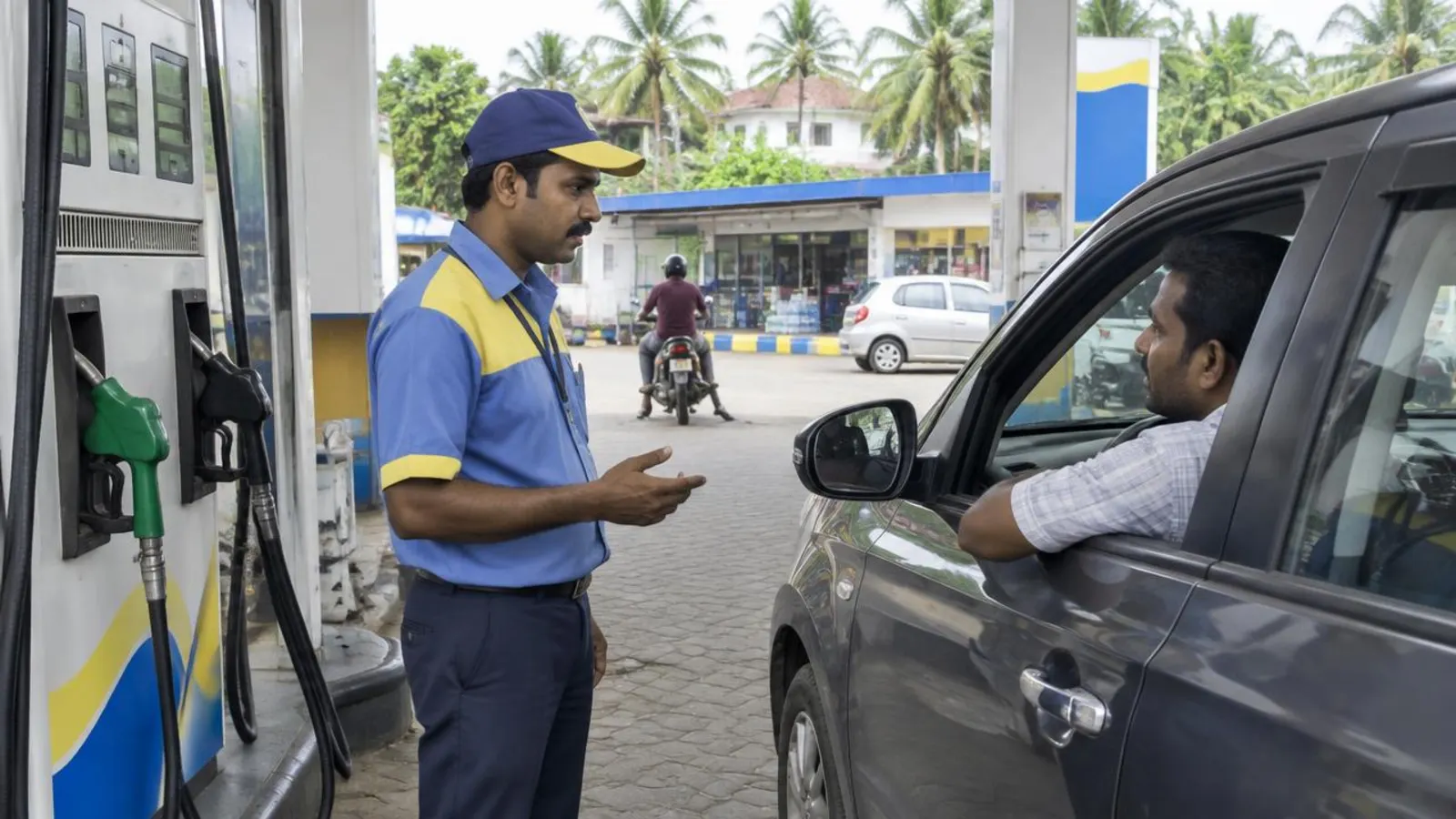
The opportunity was already passing through the forecourt.
Conversation with the station manager revealed substantial weekend traffic travelling between Kerala and Bengaluru. The price differential between Kerala and Tamil Nadu mattered to motorists, making the location commercially interesting.
The intervention needed to do more than ask employees to sell harder. It had to give them a relevant message, a natural way to start the conversation and the confidence that an additional product opportunity need not mean sacrificing existing business.
Meaningful customer conversations—not aggressive selling.
03 · The intervention
Turn product knowledge into a useful customer conversation
Three priorities connected frontline capability to what customers could understand at the point of purchase.
- 01
Start naturally
Teach employees to initiate conversations, recognise opportunities and explain relevant benefits without making customers feel pressured.
- 02
Clarify what, why and when
Help the team choose the message, explain its purpose and deliver it at a moment relevant to the customer’s needs.
- 03
Make benefits visible
Use benefit illustration cards, placards and banners so the customer-facing message reinforces what employees have learnt.
On the ground
One training message. Reinforced at the point of sale.
The communication tools covered three practical topics, giving employees tangible support for their conversations.
Premium petrol
Explain the product benefits so customers understand the available option.
Timely oil changes
Communicate the need for engine oil replacement and its benefits.
A full tank
Explain the convenience and benefits of filling the tank completely.
04 · The evidence
Growth across both fuel segments
Premium petrol
16.7× reported volume- Earlier daily sales
- 120 L
- Reported festive-period sales
- 2,000 L
Motor Spirit (MS)
2.5× reported volume- Earlier daily sales
- 2,000 L
- Reported festive-period sales
- 5,000 L
Each pair uses its own zero-based scale to compare before and after within that fuel segment. The baseline is daily; the reported result is identified as festive-period sales in the source.
The intervention coincided with the Christmas festive rush, giving the outlet an opportunity to apply the new approach. Premium petrol volume rose from 120 litres to 2,000 litres—approximately 16.7 times the earlier volume. MS also grew from 2,000 to 5,000 litres, or 2.5 times the baseline.
The account reports that premium growth did not come at the expense of regular fuel. Returning customers appreciated fuel quality and service, and no complaints were reported in connection with the intervention. The important operational insight is that an informed customer conversation can support more than one product opportunity.
Source: supplied SALT website case-study account. Outcomes are reported, not independently audited here or guaranteed for another business.
The key takeaway
Start by equipping your people.
Better infrastructure is not the only route to a better customer experience. Practical training, simple communication tools and consistent execution can help fuel retailers explore commercial opportunities within their existing operations.
Better People. Better Performance. Better Business.
What this means for your operation
Lessons worth taking to your floor
Protect the existing business
Address staff concerns about regular fuel rather than treating premium sales as a competing target.
Use local operating insight
The manager’s understanding of traffic and customer considerations helped reveal a relevant opportunity.
Connect learning and point-of-sale tools
Visible benefit messages reinforced the customer conversations taught to employees.
Read results in context
Compare both segments and recognise the role of festive demand rather than attributing every litre to training.
Could your team explain more value at the pump?
Talk to SALT about customer conversations, premium-product opportunities and the operating barriers at your outlet.
More case studies
← Back to SALT Effect
From Menu Confusion to 3X Business Growth in Just Two Weeks
Staff couldn't explain the fusion menu, so guests never discovered it. A daily peer-learning habit changed that.

From First-Time Workers to a Commission-Ready Industrial Kitchen
Humour, local language and visual aids prepared first-time workers to run a high-tech industrial kitchen.
From Resistance to Results: How Frontline Initiative Unlocked Premium Fuel Sales
One employee's 65-litre sale turned a sceptical team around.

Breaking Three Retail Myths: 395 Oil Changes in 24 Days
“Customers won't buy premium oil at a pump.” The numbers said otherwise.